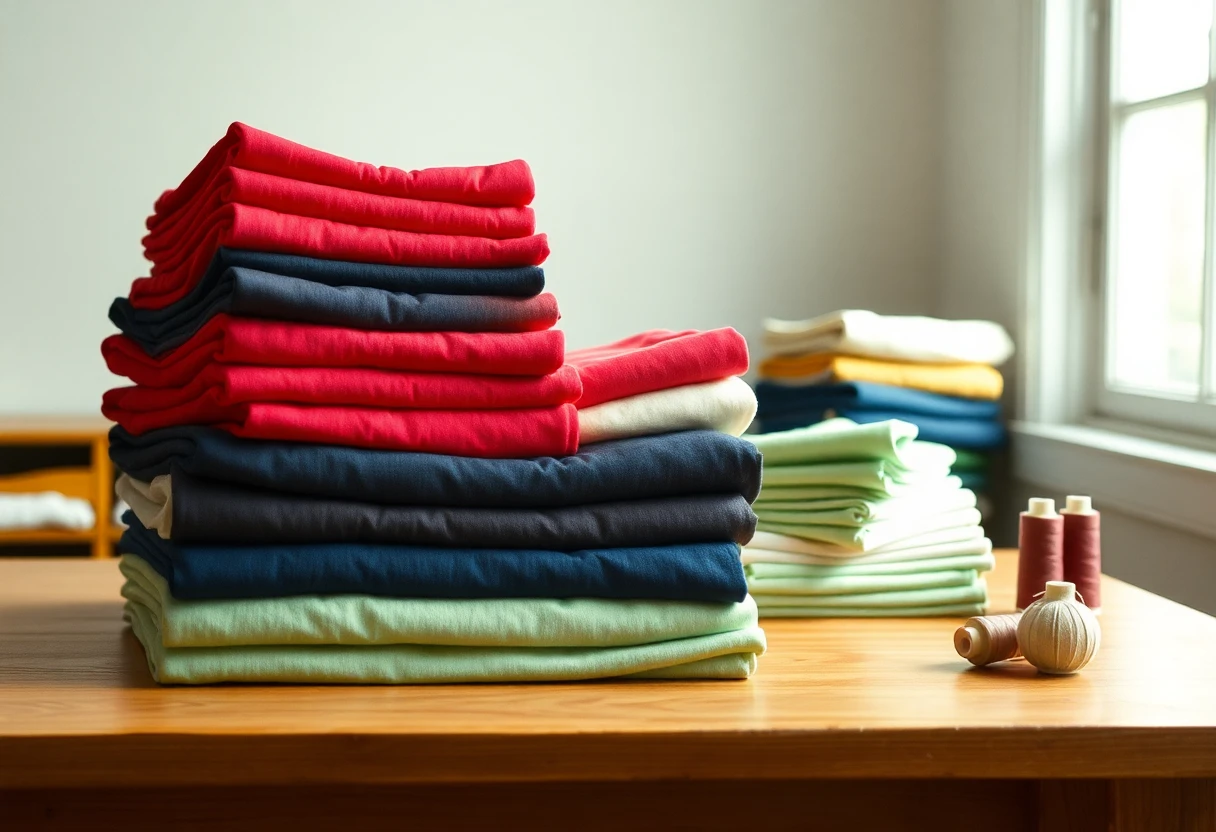
The essentials
| Tool | What to get | Why |
|---|---|---|
| Rotary cutter | 45 mm blade, with a safety cover that's easy to close | Cuts through several layers of fabric in one straight pass. Keep spare blades; a dull one skips threads. |
| Cutting mat | Self-healing, at least 18 × 24 in | A folded width of fabric fits on it, so you can cut full strips without moving the fabric. |
| Ruler | 6 × 24 in clear acrylic, with ⅛-in markings | Long enough to cut a strip across folded fabric. Add a 12½-in square ruler later for trimming blocks. |
| Sewing machine | Any machine with a good straight stitch | Piecing is all straight seams. A ¼-in foot and a walking foot matter more than stitch count. |
| Thread | 50-weight cotton in a neutral gray or beige | Fine enough for flat seams, and a neutral blends into most fabrics. |
| Iron | Any steam iron and an ironing board | Pressing each seam is what makes blocks come out the right size. |
For specific picks, StitchTested has roundups of rotary cutters, sewing thread and beginner sewing machines.
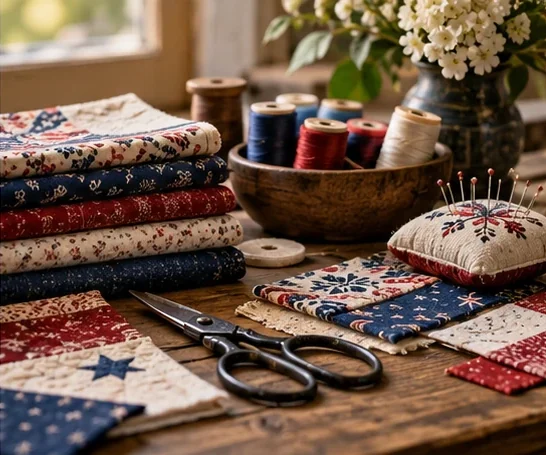
Specific picks
We chose these from their published specs and buyer ratings, not by testing each one ourselves. Prices change, so check the listing.
Rotary cutter: OLFA 45mm Ergonomic (RTY-2/DX)
A squeeze handle exposes the blade and it retracts on its own when you let go, which is the safety habit beginners most often forget. It uses standard 45 mm blades.
Check price on AmazonSpare blades: Headley Tools 45mm, 10-pack
The listing says they fit 45 mm Olfa and Fiskars handles. A fresh blade every quilt or two is cheaper than recutting skipped threads.
Check price on AmazonCutting mat: Fiskars 18 × 24 in self-healing
Sized for cutting a folded width of fabric off the bolt, with 30-, 45- and 60-degree lines for angled cuts.
Check price on AmazonRuler: Omnigrid 6 × 24 in (R24)
⅛-inch markings along the edges and double lines that show up on both light and dark fabric. This is the ruler size most patterns assume.
Check price on AmazonQuarter-inch foot with edge guide
A snap-on foot with a metal guide that rides the fabric edge. The listing says it fits low-shank snap-on Brother, Janome, Juki and many Singer machines (some Singers need an adapter); check your manual for “low shank” first.
Check price on AmazonThread: Aurifil Mako 50wt in Dove (2600)
A 1,422-yard spool of long-staple cotton in a soft gray that disappears in most seams.
Check price on AmazonClips: multipurpose sewing clips, 100-pack
For binding and thick seams where pins bend. The flat base slides under the presser foot.
Check price on AmazonBasting pins: ibotti curved safety pins, size 2
100 nickel-plated 1½-inch pins, curved so they come back up through the layers easily. Enough for a throw.
Check price on AmazonBatting: Warm & Natural cotton, twin (72 × 90 in)
A twin-size package covers any of our throw patterns with room to spare.
Check price on Amazon
Presser feet worth having
A ¼-inch foot has a guide that rides along the edge of the fabric, so every seam comes out the same width. Many machines include one; if yours didn't, it's the first accessory to buy. A walking foot feeds the top layer at the same speed as the feed dogs feed the bottom, which keeps a quilt sandwich from shifting when you quilt straight lines or sew on binding. StitchTested lists walking feet that fit Brother and Singer machines, and its presser foot guide explains the rest.
Small things you'll use on every quilt
- Fabric scissors that never touch paper, plus small snips for threads.
- Glass-head pins (they won't melt under the iron) or binding clips.
- A seam ripper. Everyone uses one.
- A fabric marking pen or chalk that brushes or washes out.
- Curved safety pins for basting the layers, about 100 to 150 for a throw.
- Sewing machine needles in size 80/12 for piecing and 90/14 for quilting through the layers.
Fabric and batting
Use quilting cotton. It holds its shape and presses flat, and the print selection is huge. If picking colors makes you freeze, buy a precut bundle (fat quarters, 2½-inch strip rolls or 10-inch squares), where the prints already go together. For batting, cotton or an 80/20 cotton-polyester blend is easy to quilt and washes well. Buy it by the package in the size that's at least 8 inches wider and longer than your quilt top.
What can wait
Specialty rulers for one kind of block, a design wall, a dedicated quilting machine and a longarm can all wait. So can a large stash of fabric; buy for the quilt in front of you. Once you've finished two or three quilts you'll know whether you're drawn to piecing, appliqué or the quilting itself, and that tells you what to buy next.
For a first project, follow how to make a quilt with our free nine-patch pattern.
You might also like
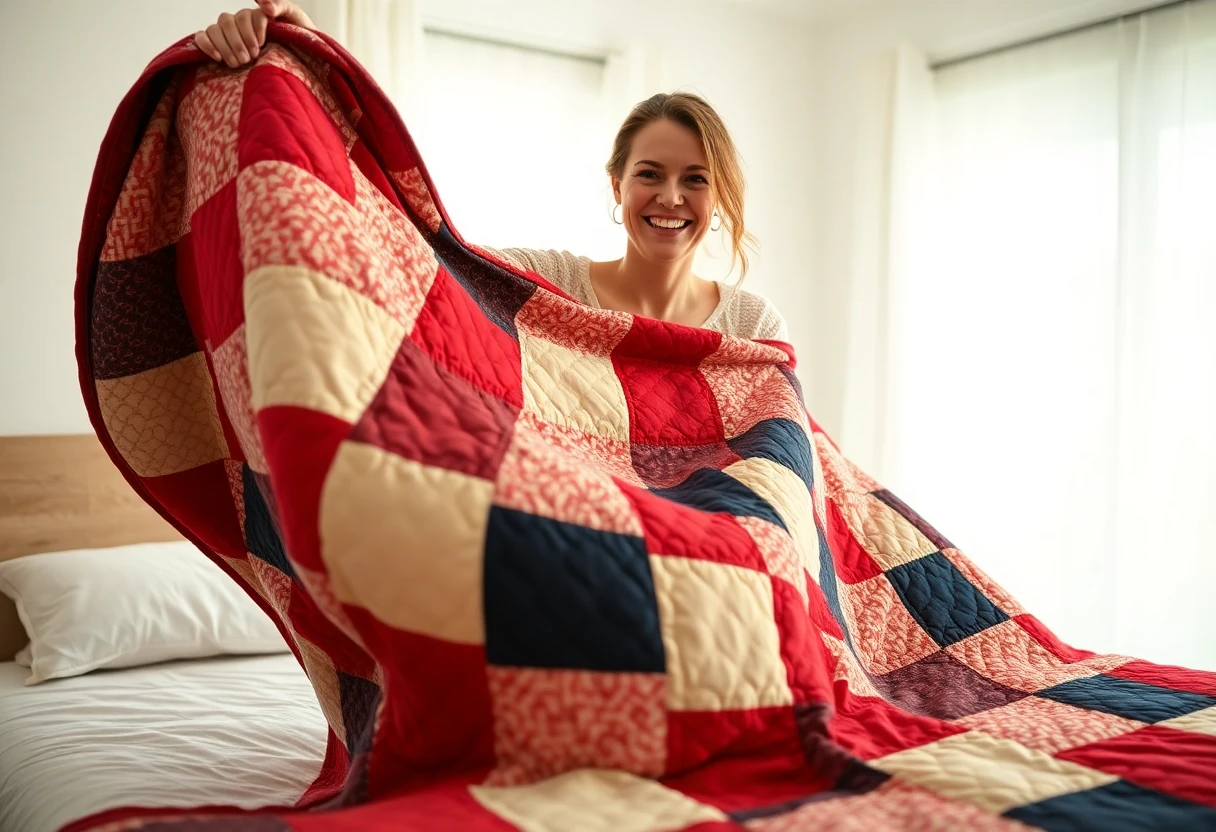 How to make a quilt (a beginner's guide)The whole process for a first quilt, from picking fabric to the first wash.
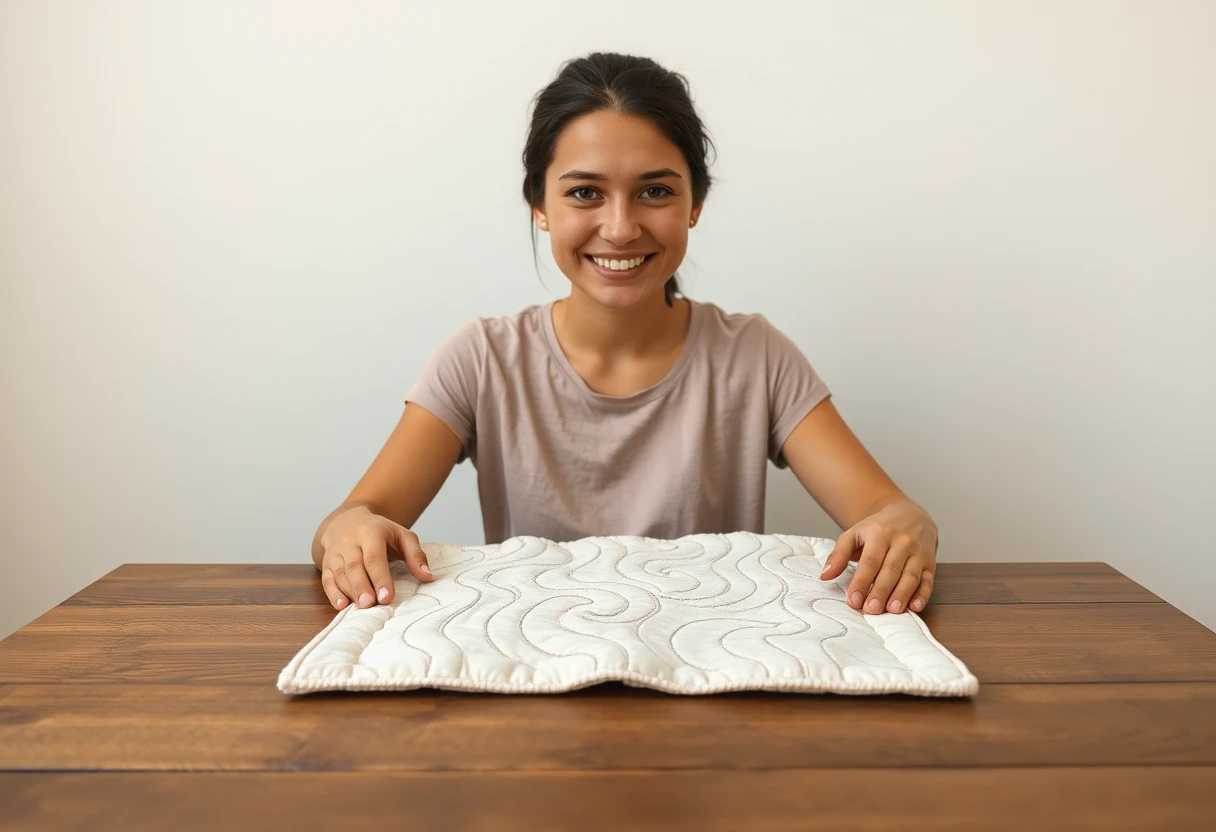 Free-motion quilting for beginnersMachine setup, practice sandwiches and three first motifs, including the meander or stipple.
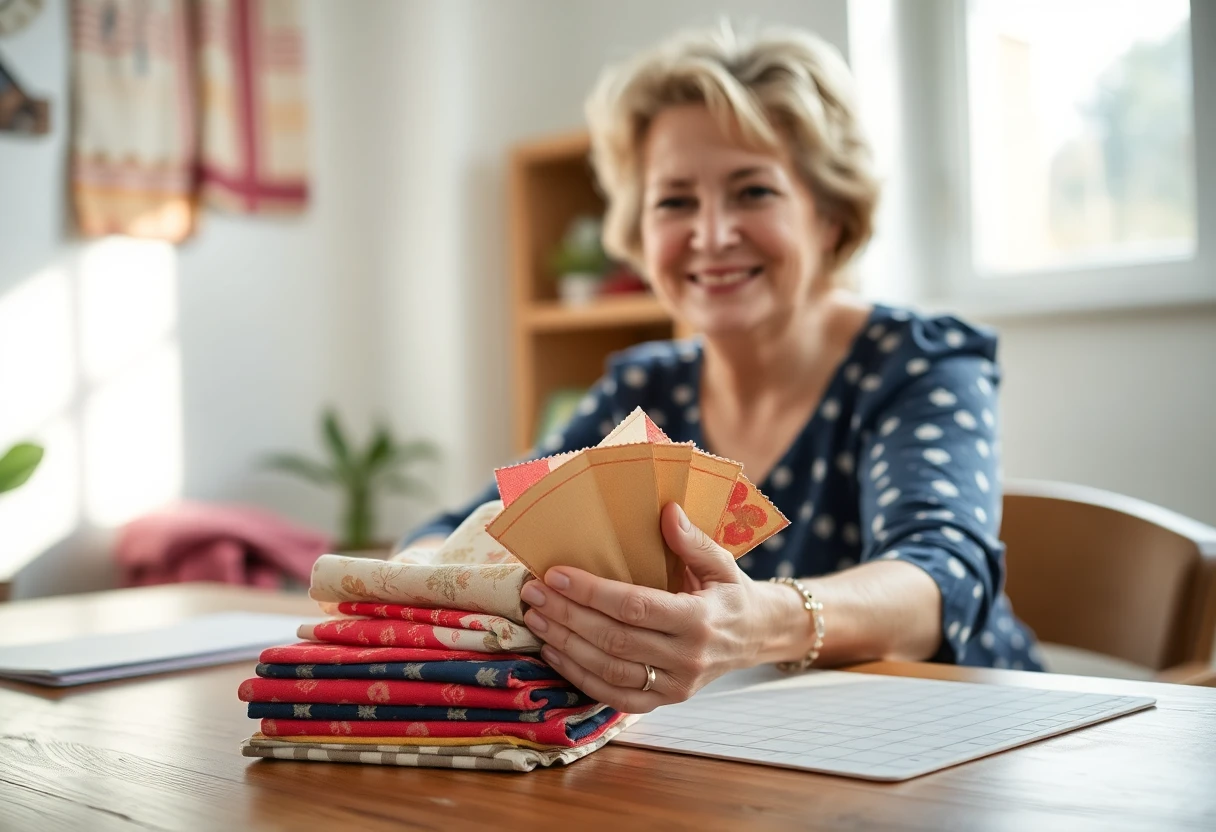 What is a fat quarter?The 18 x 22 inch cut explained, a cutting chart, and how many fat quarters common quilts take.
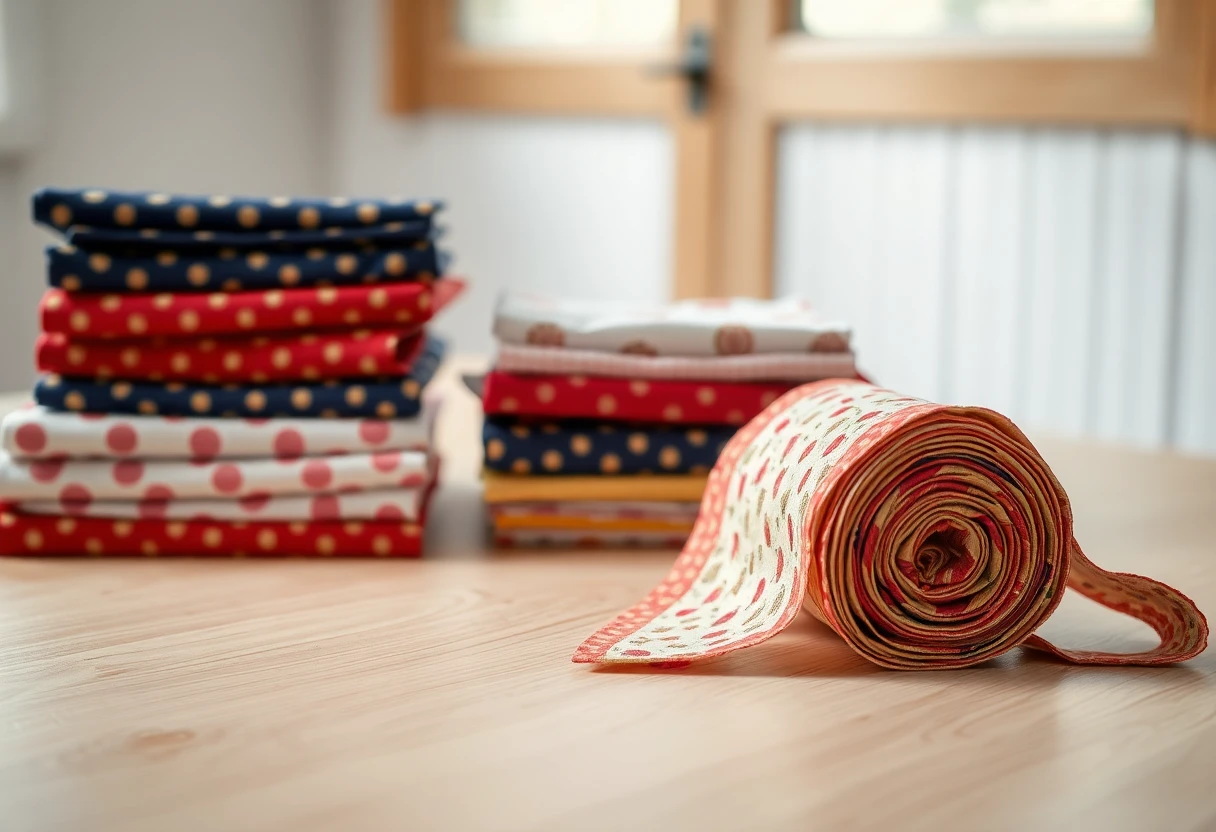 Precut fabric guide: jelly rolls, layer cakes, charm packs and moreWhat's in a jelly roll, layer cake, charm pack and the rest, drawn to scale, plus which free patterns use each one.