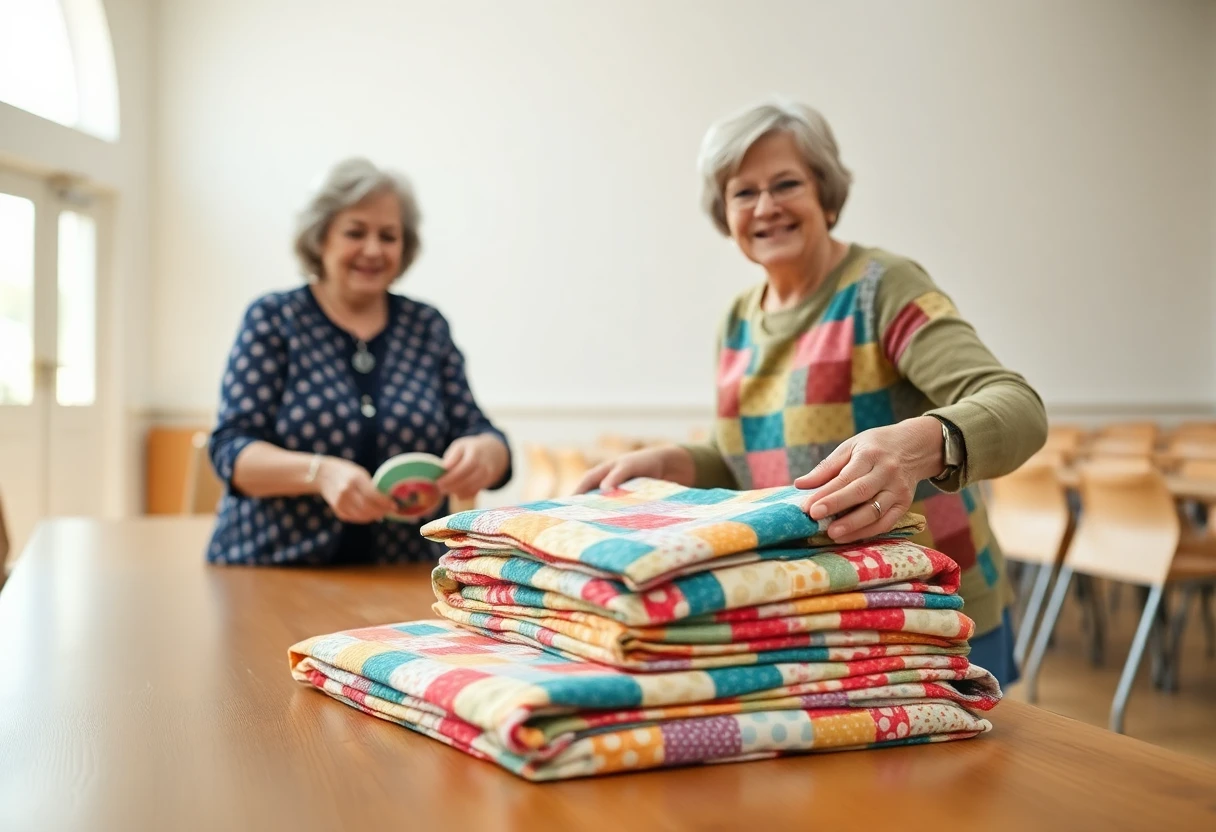
The programs at a glance
| Program | Who receives | Size | How to give |
|---|---|---|---|
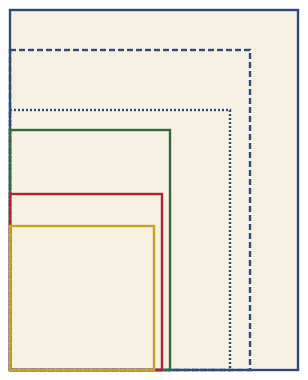
| Project Linus | Children 0 to 18 who are seriously ill, traumatized or otherwise in need | Varies by chapter; most about 40 × 60 in; teen blankets up to twin | Local chapter |
| Quilts for Kids | Children in hospitals | About 38 × 44 in; other sizes accepted | Mail to headquarters or a local chapter |
| Quilts of Valor | Service members and veterans touched by war | 55 × 65 to 72 × 90 in; 60 × 80 recommended | Local group or state coordinator |
| Binky Patrol | Children who need comfort | From 3 ft square up to twin | Local chapter or drop-off location |
Project Linus
Project Linus gives handmade blankets to children ages 0 to 18 in the United States who are seriously ill, traumatized or otherwise in need. Its FAQ sets these rules:
- New, handmade, washable blankets. Quilts and knitted or crocheted afghans both count; home sewing and knitting machines are fine. Nothing purchased or commercially made.
- Cotton or cotton/poly blend fabrics. Knits and fabrics not suited to a child's blanket may be turned down.
- All materials new, unused and free of mold, mildew and smoke. No pet hair. Avoid strong scents from detergent, fabric softener and dryer sheets; the FAQ says laundering doesn't remove smoke contamination.
- No pins left in, and no buttons or other embellishments a child could swallow.
- Blankets aren't given to adults.
Blankets go to your local chapter, which delivers them to hospitals and shelters nearby. Use the Find Chapters page. If no chapter is near you, the FAQ says to contact any chapter on the list for a mailing address. The national office (PO Box 1013, Stockton, MO 65785-1013) asks that finished blankets go to chapters, not to headquarters.
Quilts for Kids
Quilts for Kids sends quilts to children in hospitals, and its rules reflect hospital laundry and infection control. From its FAQ:
- New quilting cotton only. No used fabric: no shirts, sheets, curtains, T-shirt quilts or rag quilts. High-quality new flannel is fine; discount-store flannel isn't.
- Bright juvenile prints, including cartoon characters, are welcome. No religious or political themes, and no holiday prints except Christmas.
- Cotton or 80/20 batting is preferred over polyester because it holds up better to hospital washing.
- Machine quilting is required, with no more than about 4 inches left unstitched. No hand quilting, no tied quilts and no fleece (it causes static near hospital equipment). Don't use monofilament thread.
- Machine-stitch the binding if you can. Loose binding and folds or pockets in the quilting can snag on tubes and wires.
- Size: about 38 × 44 inches, the size of its kits. Other sizes are set aside for suitable recipients.
- Wash it with a color catcher and without strong scents. Don't add your own label; volunteers add a Quilts for Kids label with your name.
Ship finished quilts to Quilts for Kids, Inc., 494 Lincoln Highway, Fairless Hills, PA 19030, with a slip inside giving your name, address, phone number and email. The FAQ says quilts made from its free kits must come back to headquarters rather than go to a local hospital. You can request a kit on its site if you'd like the fabric supplied.
Quilts of Valor
The Quilts of Valor Foundation's basic requirements call for a finished size between 55 × 65 and 72 × 90 inches, with 60 × 80 recommended; quality, adult-appropriate 100% cotton; and a label that states the quilt is a Quilt of Valor. Tied quilts aren't accepted. Our Quilts of Valor guide covers the full list, the label wording and how to donate through a local group or state coordinator.
For a pattern that lands in the size range, the patriotic star throw finishes at 58 × 70 inches.
Binky Patrol
Binky Patrol is an all-volunteer group that makes blankets for children who need comfort. Its home page describes a binky as a new homemade blanket that can be sewn, knitted, crocheted, fleece-tied or quilted, from 3 feet square up to twin size. Blankets should be soft, washable and able to go through a dryer on high heat. Find a chapter or a drop-off location on its chapter page.
Local hospitals and hospices
Many local facilities take quilts directly, but each sets its own rules and some can't accept handmade items at all. Call the volunteer services office before you sew and ask:
- What size do you need? A NICU wants something much smaller than a hospice bed.
- What fabrics and batting are allowed? Any restrictions on fleece, flannel, wool or ties?
- Must it be washed first, and with what? Many ask for unscented detergent and no fabric softener.
- Can I add a label or a note?
- Where and when do I drop it off?
Hospice and nursing home residents often use lap quilts, small enough to cover the knees in a chair or wheelchair without trailing on the floor. Our lap quilt pattern is sized for that.
Make it easy to accept
Going by the rules above, these are the easiest ways to get a quilt turned down:
| Problem | Why it matters |
|---|---|
| Smoke or pet hair, or a strong scent | Project Linus and Quilts for Kids both reject these; washing doesn't fix smoke |
| Tied, or quilted too sparsely | Fails Quilts of Valor and Quilts for Kids rules; falls apart in hospital laundry |
| Used or upcycled fabric | Not accepted by Quilts for Kids |
| Buttons, beads, loose threads, pins | Choking and safety hazards for children |
| Open seams or loose binding | Snags on hospital equipment and gets worse in the wash |
Close quilting, cotton or 80/20 batting and a machine-stitched binding solve most of these at once; see the batting guide and how to wash a quilt. A group of friends making a set of donation quilts together can sign the blocks first; the signature quilt guide shows how. Ask the program first, though: Quilts for Kids, for one, doesn't want personal labels.
WTCQuilt.com isn't affiliated with any of these programs. This site began as the 9-11 Memorial Quilt Project, where hundreds of volunteers gave their stitching to strangers; giving a quilt away is the same idea on a smaller scale.
You might also like
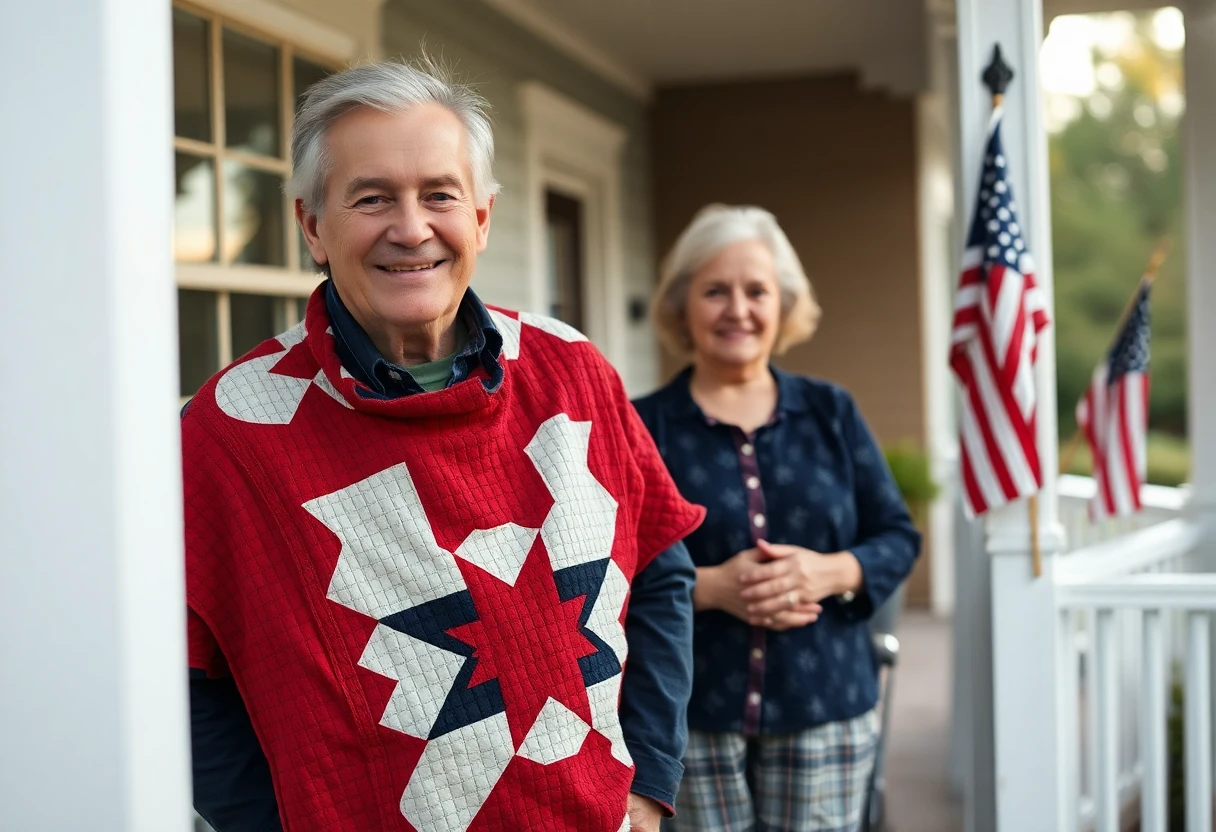 Quilts of Valor: requirements and how to make oneThe Foundation's size, fabric and label rules in plain English, plus a pattern that fits them.
 Quilt label makerType the details, pick a style (simple, star border, memorial, Quilt of Valor, signature) and print at true size on fabric sheets or paper for tracing.
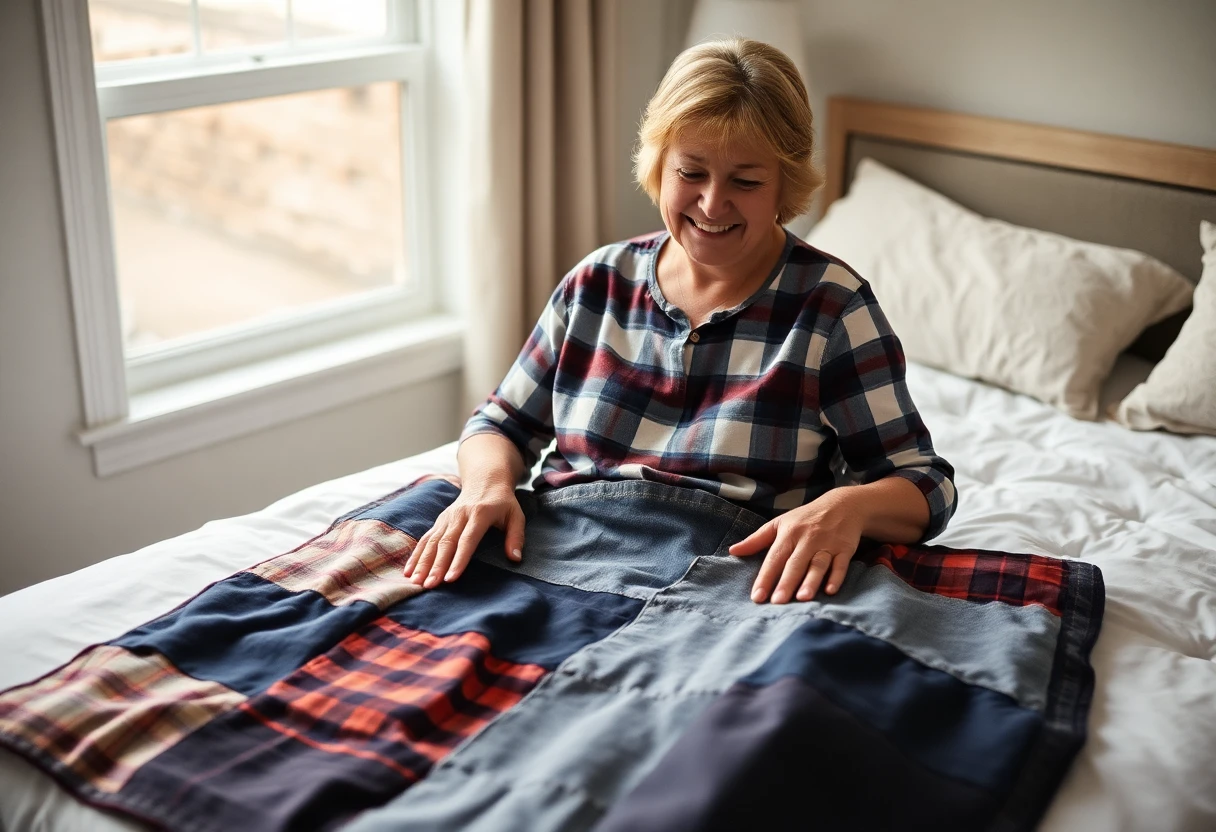 How to make a memory quilt from clothes or T-shirtsTurning a loved one's shirts into a quilt, with layouts, sizes and how to handle stretchy fabrics.
 How to make a signature quiltBlocks ready to sign, pens and how to test them, collecting signatures by hand or mail, and a 30-block layout with cuts.